How to Test a New Magnetic Tile Product With a Small First Order
A first-order test plan for toy buyers: define the hypothesis, inspect the exact SKU, track questions and set a reorder gate.
Expert guides on magnetic building blocks sourcing, toy safety compliance, market trends, and B2B wholesale strategies — helping you make smarter buying decisions.
A first-order test plan for toy buyers: define the hypothesis, inspect the exact SKU, track questions and set a reorder gate.
Compare two current magnetic tile SKUs by assortment role, component proof and retailer trial design without treating piece count as quality.
A damage investigation sheet that separates packing, transport and store handling evidence for magnetic toy retail boxes.
A shelf grouping method for castle, farm and space magnetic tile sets using exact SKUs, clear labels and shopper questions.
A school procurement request sheet connecting a specific geometry activity to components, handling and model-specific documentation.
An allocation worksheet separating received, held, sampled and sellable magnetic set units before channel commitments.
Compare three verified magnetic theme set SKUs by shopper task, listing evidence and retail assortment role.
Check purchase order, packing list, carton marks and quantity exceptions before releasing a magnetic toy shipment.
Plan separate shelf and online display roles for a verified travel tin and home magnetic building set.
A model-specific review sheet for STEM packaging language, observable activity and supporting evidence.
Plan travel and home magnetic set bundles around clear customer jobs, exact SKUs and approved packaging.
Compare magnetic tiles and traditional blocks for education purchasing by activity, reset workflow and evidence.
Build a cost-per-sellable-set worksheet that separates product, packaging, freight, loss and destination charges.
Use a pre-shipment inspection checklist covering SKU identity, sample basis, packing, markings and release decisions.
Build a distinct magnetic building assortment by assigning city, farm and construction sets different shopper jobs.
A packing-data request sheet for toy importers: cartons, dimensions, weights, SKU mix and shipment version before freight booking.
Compare four catalog magnetic sets by assortment job, exact SKU and information gaps before choosing a store range.
A buyer checklist for magnetic toy QC reports covering lot identity, sample basis, observations, defects and disposition.
Plan magnetic tile bundle tests around distinct customer needs, exact SKUs, confirmed packaging and a separate listing for each offer.
An education buyer trial for open-ended magnetic tile play using observable activities, component checks and storage effort.
Request carton dimensions, gross weight and pack-out data before comparing freight quotes for magnetic tile orders.
Build a small gift-shop magnetic tile assortment using verified castle, space and farm sets and a role-by-role trial.
Compare an approved magnetic tile sample with a production sample through a signed reference, change log and release gate.
Build an after-sales replacement plan for magnetic tile sets with exact SKU identification, complaint evidence and supplier confirmation.
Plan magnetic building activities for education buyers using model-specific age guidance, task complexity and observed support needs.
Use one normalized cost basis to compare two magnetic tile quotes by product scope, packaging, delivery responsibility and evidence.
Select distinct home magnetic tile listing roles with exact SKU photos, confirmed product facts and a small first-order test.
A practical root-cause workflow for investigating missing pieces in toy orders, separating packing, transit, receiving and product-record causes.
A complaint-triage workflow for magnetic toy sellers that separates product, listing, packaging, shipping and usage reports before corrective action.
A planning framework for small-group magnetic building activities using confirmed pieces, sharing rules, reset time and observed learning goals.
Normalize form, contents, packaging, evidence and order fields before choosing a SKU.
Choose among three cube worlds using scene inventory and a channel-specific trial.
Document repeatable sample observations without inventing a laboratory result.
Separate buyer jobs, confirmed facts, open questions and next actions.
Plan classroom quantities by activity, sharing, reset time and trial evidence.
Confirm the payee, exact SKU, order scope, packing, timing, evidence and change controls before payment.

Compare one basic-color reference with two visibly distinct themed cube worlds by retail role.

Compare labelled, like-shaped pieces under repeatable conditions and document outliers.

Map every identity, contents, image, warning and market claim to SKU-level evidence.
Compare activity roles, group workflow, storage, reset effort and evidence-led reordering.
Separate regular preparation from custom approvals, production and international transport.
Confirm SKU identity, contents, packing, timing, documents and change control before payment.
Use four current SKU references to assign distinct shopper stories and shelf jobs.
Separate visible sample observations from model-matched technical or test evidence.
Brief hero, contents, packaging, scale and usage shots without turning inspiration into a promise.
Plan shared use, storage records and evidence-led replenishment for daycare rooms.
Compare a geometric construction option with city and farm scene roles using exact SKU evidence.
Count contents, compare the approved SKU and record every exception before order release.
Build a factual SKU brief covering contents, images, packaging, documents and order fields.
Plan classroom roles, storage, model-matched documents, replenishment and order records.
Separate product, branding, packaging, samples, tooling, documents and logistics before comparing quotes.
Map return evidence to listing, contents, product, packing, delivery and support corrective actions.
Control the product brief, sample quote, dispatch, delivery record and next buying decision.
Compare handover, freight control, customs responsibility and quote inclusions before choosing a term.
Give suppliers the same product, quantity, packaging, market and timing fields for comparable wholesale quotes.
Match market-specific documents to the exact SKU, age grade, packaging and responsible party.
Plan a test window, carton quantity and reorder trigger without relying on invented sales forecasts.
Check product identity, packing, MOQ, terms, timing, documents, customization and exclusions.
Review product, material, supplier, packaging and market changes before reusing existing evidence.
Compare total cash exposure, sell-through risk and reorder flexibility before choosing a quantity tier.
Organize applicable rules, third-party evidence, CPC details, tracking information and the order release record.
Check report authenticity, laboratory identity, test scope and the match between the sample and your order.

Understand the difference between a retail package and an outer carton, then request the right SKU-specific packing details.
Match EN 71 test evidence to the exact model, packaging version, standard edition and EU market-entry date.
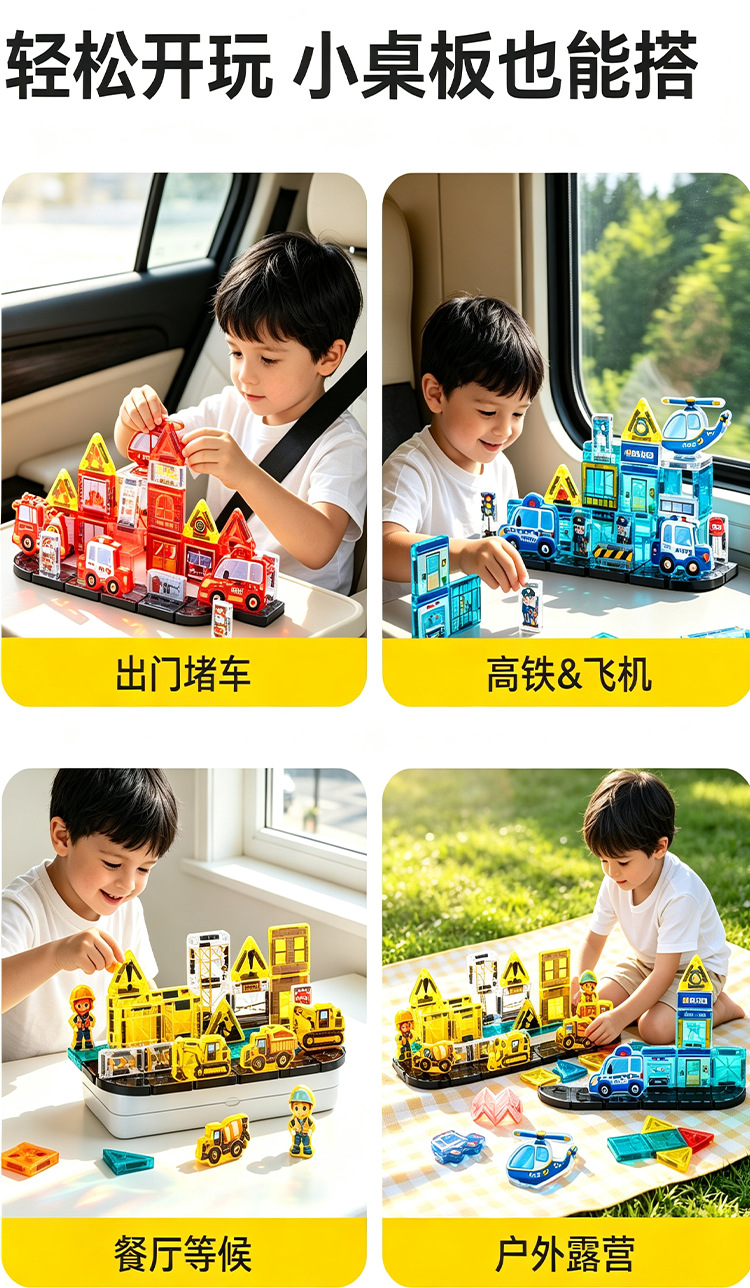
Compare product, packaging, carton and order details before deciding which wholesale quote offers the right value.
Clarify product formats, specifications and RFQ language before comparing wholesale options and quotes.
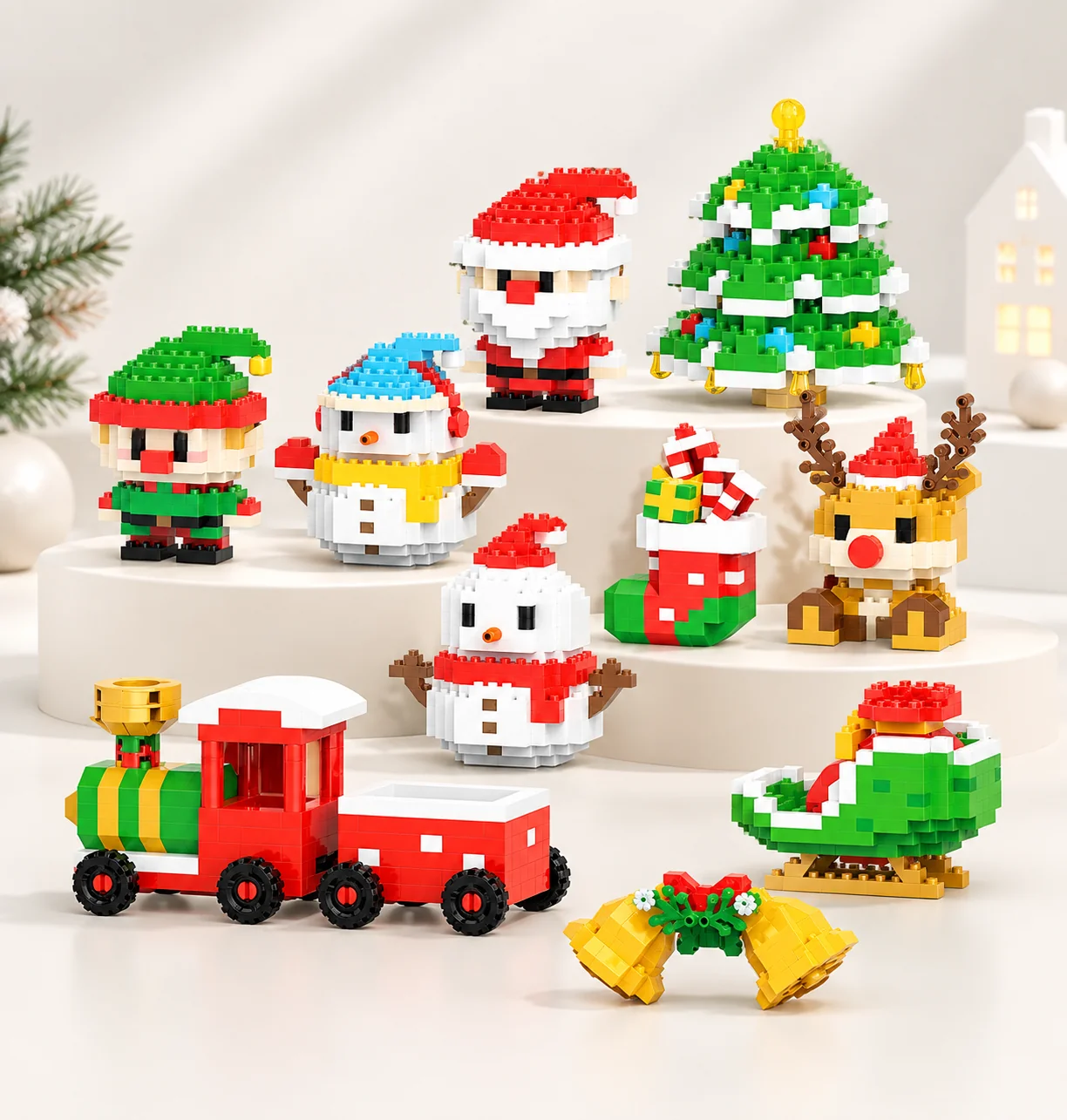
Compare individual product pages with multi-theme collections for ecommerce, toy shops and gift shops.
Compare familiar themes for toy shops, gift stores and ecommerce listings without merging different models.
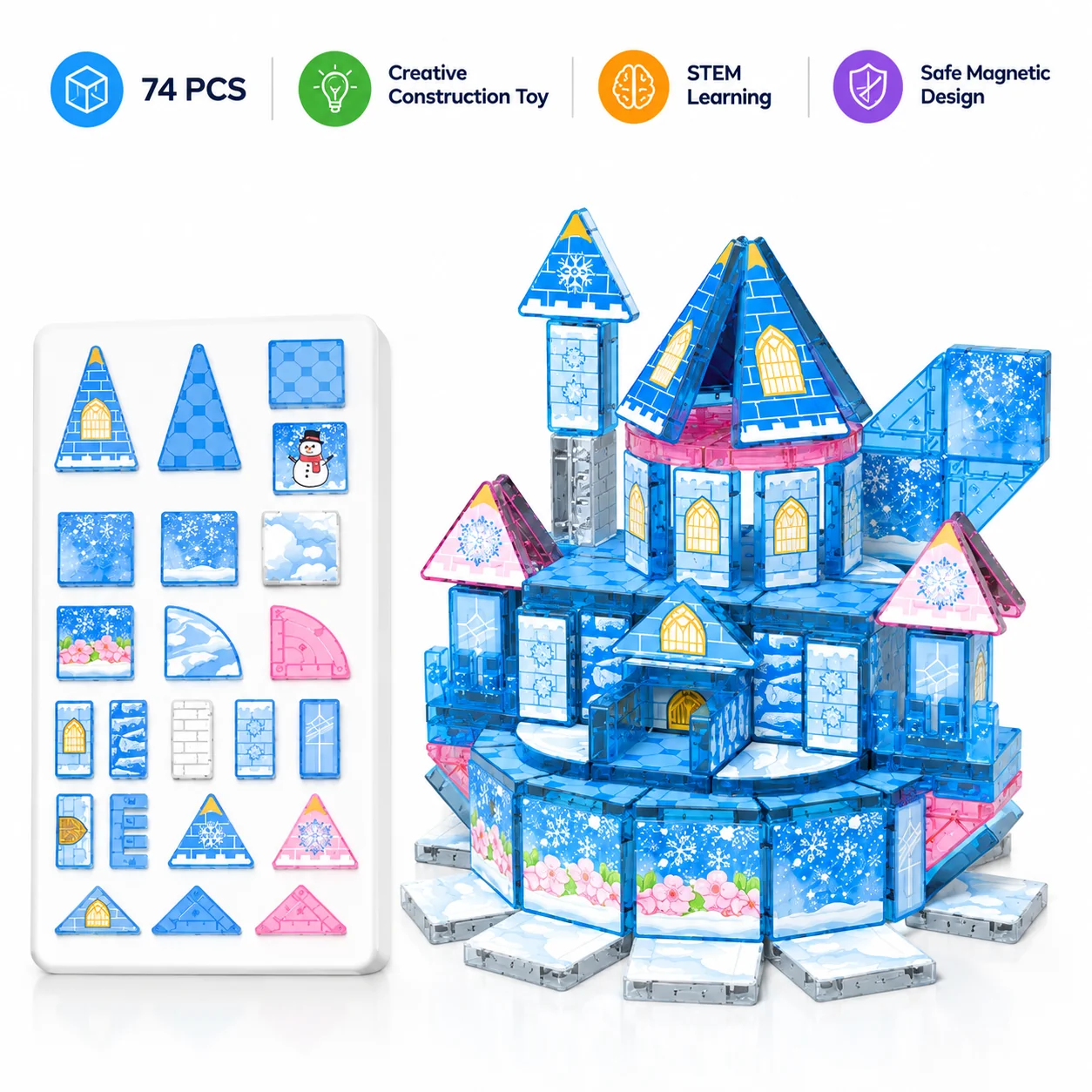
Help ecommerce sellers, toy shops and gift shops present a winter castle theme with accurate product content.
Practical guidance for ecommerce sellers, toy shops and gift shops planning clear themed assortments.
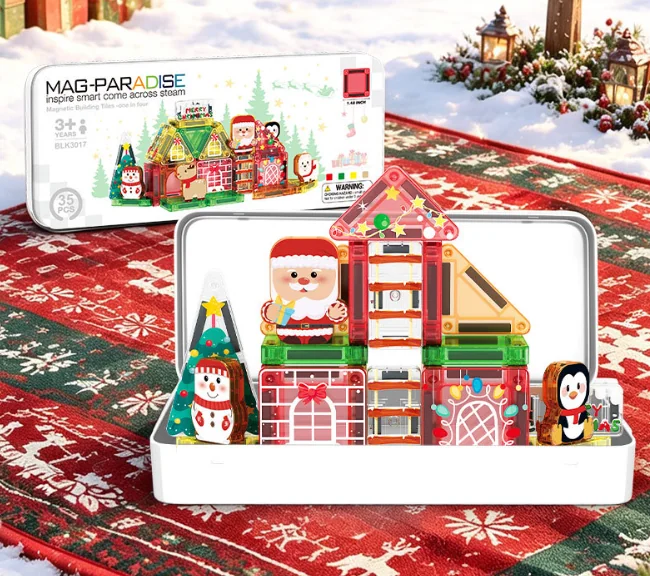
Plan seasonal gift assortments with clear themes, reusable tins and buyer-ready product checks.
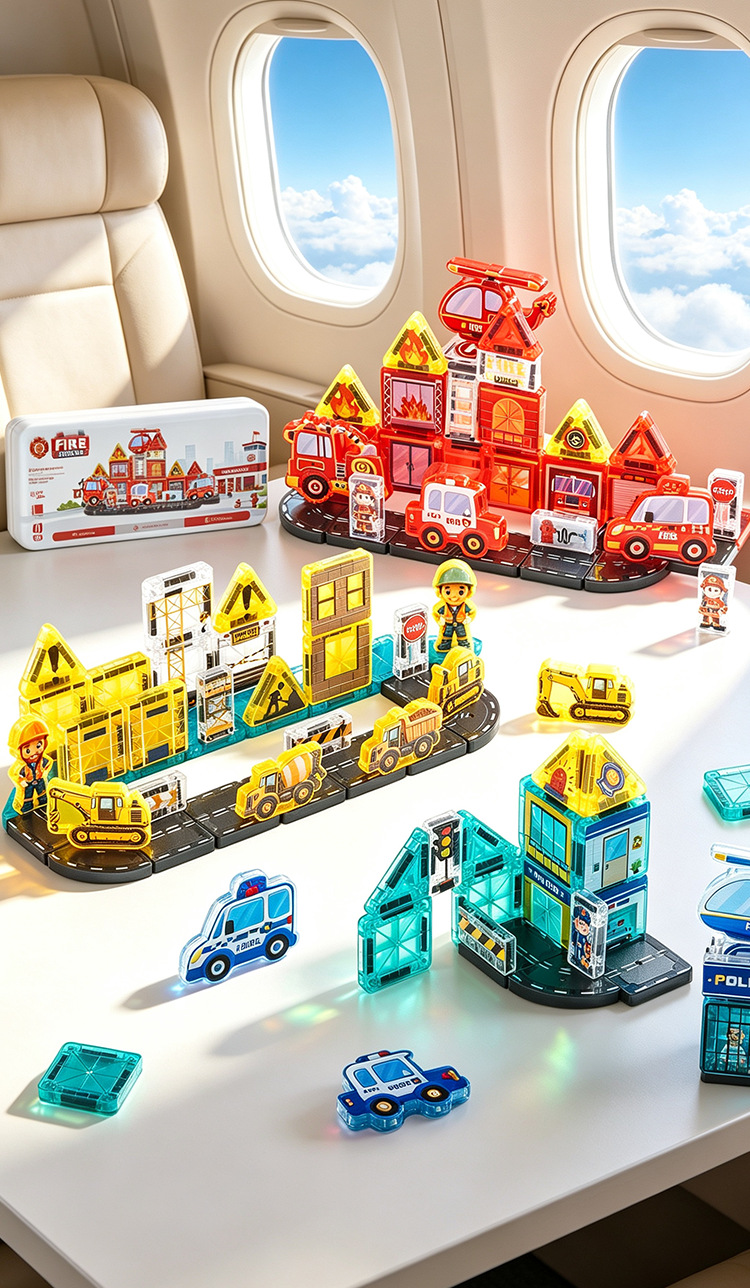
Practical guidance on themes, reusable tins and listing details for portable play moments.
Practical merchandising ideas for reusable-tin Travel Sets in checkout displays and gift sections.
Keep model, contents, artwork, tin packaging and market information aligned from sample approval to shipment.
A practical framework for testing themes, reading early signals and planning sensible replenishment.
Collect accurate model data, images, packaging details and market information before listing online.
How to balance core, distinctive and seasonal themes when planning a clear, channel-ready range.
Why buyers should compare contents, build variety, storage, shelf position and logistics—not the front-of-pack number alone.

How reusable storage, clear play occasions and retail-friendly themes add value—and what buyers should check.

A practical buyer checklist for reducing dents, scratches, loose contents and avoidable packing problems.
Use a structured inquiry to compare tin-box models, private-label routes, samples and applicable documents on the same basis.
Check magnetic pieces, tin packaging, artwork, packing and model-specific documents before approving a sample.
A practical checklist for selecting models, reviewing samples, confirming packaging and preparing a useful supplier brief.

Compare logo labels, custom artwork, new combinations and deeper product-development routes.
Match themes, packaging and assortment roles to specialty retail, educational and ecommerce channels.
Understand the different terms and verify documents against the exact model and destination market.
Check the supplier role, product traceability, process controls, carton records and model-specific documents.
Evaluate product activities, channel fit, packaging and evidence without unsupported market-size claims.
Compare product structure, listing needs, packaging and verification work without unsupported market rankings.
Verify the SKU, carton, freight and destination inputs needed for a defensible landed-cost estimate.
Compare packaging roles, approval checks and SKU-specific carton requirements for each format.
Let us know what sourcing or industry questions you have. We add buyer-focused resources as new topics are reviewed.
Suggest a Topic